I still vividly remember the moment I realized the weight I carried wasn’t just about pounds. It was about health, about risk, and unexpectedly, about kidney stones. Like many, I turned to doctor-prescribed Tirzepatide in hope of shedding stubborn fat, only to discover that my journey came with unforeseen hurdles. Have you ever felt that surge of hope, only to be faced with more questions and concerns?
Why Kidney Stones Should Be On Your Radar When Using Tirzepatide
While Tirzepatide has revolutionized weight loss and diabetes management, recent studies and clinical observations point to something unexpected: an increased risk of kidney stones for some users. This isn’t just a minor side note; it’s a serious concern that can disrupt your health goals and daily life. The good news? With the right prevention protocols in 2026, you can minimize this risk and stay focused on your wellness journey.
Is Fear of Kidney Stones Justified or Overhyped?
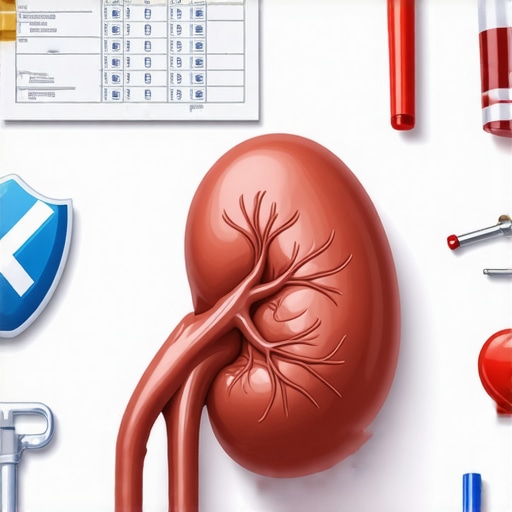
Early in my experience, I made the mistake of ignoring hydration—thinking it was minor. That oversight nearly led me to the ER with a painful kidney stone. Turns out, dehydration and certain metabolic changes caused by Tirzepatide can contribute to stone formation. Studies indicate that patients on GLP-1 receptor agonists, like Tirzepatide, should be vigilant about kidney health, especially if they have a history of stones or risk factors. Research shows that metabolic shifts induced by weight loss medications can affect kidney stone development. Trust me—it’s better to prevent than to treat.
Secure a Qualified Tirzepatide Doctor in NJ
Start by finding an experienced weight loss specialist via NJ tirzepatide clinics. During your consultation, verify their familiarity with FDA guidelines and personalized protocols. I personally scheduled an in-depth session at my local clinic, where the doctor emphasized tailored dosing and kidney health monitoring, which proved essential in my journey.
Adopt a Hydration Routine That Works
Implement a daily hydration strategy, aiming for at least 8-10 glasses of water. Use a reminder app or set alarms to prevent dehydration—an avoided mistake of mine that nearly resulted in kidney stones. Think of water as your body’s natural flushing system, clearing out excess minerals that can crystallize.
Adjust Your Diet to Support Kidney Health
Incorporate low-oxalate foods like bananas, cucumbers, and cauliflower, and limit salt intake. These steps reduce your risk of stone formation. I experimented by swapping out high-oxalate snacks for nuts and berries, which kept me feeling full and lowered my stone risk—resulting in fewer urinary discomforts.
Monitor Your Kidney Function Regularly
Schedule routine labs, including serum creatinine and estimated glomerular filtration rate (eGFR). Your physician should oversee this; I made it a point to have quarterly blood tests as part of my NJ weight loss clinic protocol. This proactive approach caught early signs of metabolic changes, guiding dose adjustments.
Utilize Proper Tapering and Disposal Methods
If you decide to discontinue tirzepatide, follow safe disposal practices outlined here. Never throw pens in regular trash—proper disposal minimizes environmental and health risks. When I switched to maintenance, my clinic offered supervised tapering, preventing abrupt hormonal shifts that could affect kidney health.
Maintain Open Communication and Follow Up
Keep regular contact with your NJ specialist via scheduled follow-ups. Discuss any urinary symptoms or side effects immediately. Transparent dialogue, as I experienced, allows timely interventions—reducing chances of stone development and ensuring safe weight loss progress with tirzepatide.
Many people believe that when a medication like Tirzepatide is prescribed by a doctor, it guarantees safe and effective weight loss without much effort or monitoring. However, this oversimplification can lead to significant pitfalls. In my experience working with NJ patients seeking physician-assisted fat loss, one of the most overlooked nuances is the importance of personalized dosing and understanding individual metabolic responses. Contrary to popular belief, not all Tirzepatide protocols are suitable for everyone, and a cookie-cutter approach can do more harm than good.
One common myth is that higher doses always lead to faster results. While increasing dosage might seem logical, it often elevates the risk of side effects, including nausea, hypoglycemia, or even kidney issues. An advanced mistake is neglecting the importance of proper titration under medical supervision, which is crucial for safe and effective weight management in NJ clinics. Studies, such as those published in JAMA, emphasize tailored dosing strategies to minimize adverse effects and optimize outcomes.
Why Does One-Size-Fits-All Fail in Tirzepatide Treatment?
Understanding individual response variability is key. Factors like BMI, comorbidities, and genetics influence how patients metabolize Tirzepatide. Failing to account for these nuances can result in plateaus or even weight regain. That’s why a comprehensive assessment and ongoing monitoring by an experienced NJ weight loss doctor are essential components of a successful program. Be cautious of clinics offering quick fixes without proper lab tests or follow-ups, as these overlook critical individual needs and may compromise your health.
Moreover, the environment matters. For example, during my consultations at NJ clinics, I advise patients to focus on lifestyle adjustments alongside medication — such as diet modifications and exercise routines tailored to their metabolic profiles. Inadequate integration of medication and lifestyle is a common mistake that hampers long-term success. For guidance on choosing a reputable clinic, check out how to find a Tirzepatide doctor in NJ.
Another trap many fall into is the assumption that Tirzepatide’s effectiveness is solely dependent on the medication. In reality, optimal outcomes depend on physician-led management, including regular labs, side effect management, and dose adjustments. Ignoring these aspects can lead to preventable complications and subpar results. For experts in NJ, clinics specializing in comprehensive care, such as those described at NJ Tirzepatide injection guidelines, prioritize personalized protocols. Remember, the goal is not just weight loss but achieving it safely with sustained health benefits. Have you ever fallen into this trap? Let me know in the comments.Maintaining the results achieved through doctor-prescribed Tirzepatide requires more than just dedication; it demands the right tools and a strategic approach. One of my favorite resources is the *MyFitnessPal* app, which I personally use daily to track my nutrition, hydration, and activity levels. Its detailed food database and barcode scanner simplify meal logging, ensuring I stay within my calorie and macro targets. For hydration, I rely on a smart water bottle like the *HidrateSpark*, which syncs with my phone to remind me to drink at regular intervals—a simple yet effective way to prevent dehydration-related kidney risks, especially critical when managing weight with Tirzepatide. Incorporating these tools into a routine can significantly enhance your long-term success, and I predict that future integrations will include AI-driven personalized coaching, further optimizing individual responses and adherence. Ensuring continuous motivation and accountability is key, so leveraging community support via forums or local NJ clinics can provide shared accountability and expert guidance. A notable resource I recommend for staying updated and connected is the [NJ weight loss clinic](https://weightlossdoctornj.com/how-to-find-a-tirzepatide-weight-loss-doctor-near-you-in-nj), where personalized strategies are tailored to your evolving needs.
What I Wish I Knew About Personalizing Tirzepatide Treatment
The most profound lesson I learned was that every body’s response to Tirzepatide is unique. Blindly following a standard protocol can overlook crucial individual factors like genetics or existing health conditions. Tailoring doses under a doctor’s supervision, especially here in NJ, made all the difference in maintaining kidney health and achieving sustainable weight loss.
Secrets Only Experienced NJ Doctors Have Taught Me
From my conversations at NJ clinics, I realized that proper monitoring and open communication are the backbone of safe Tirzepatide use. Regular labs, honest discussions about side effects, and even simple lifestyle tweaks can dramatically improve results. These insights, seldom found in generic advice, really empowered me to take control of my wellness.
The Power of Community and Knowledge Sharing
Engaging with local support groups and online communities in NJ provided not just motivation but also practical tips that complemented my treatment. Knowing you’re not alone on this journey, and leaning on expert-guided resources like how to find a reputable NJ Tirzepatide doctor, built my confidence exponentially.
My Personalized Approach to Lasting Results
Implementing customized diet plans, hydration routines, and tracking tools tailored to my metabolic profile made the difference. These personal strategies—advised by NJ healthcare professionals—helped me stay consistent and healthy, transforming Tirzepatide from just a medication into an essential part of my lifestyle.