
I remember the day I realized I was relying way too much on that tiny digital device to gauge my weight loss progress. I was sitting in my bathroom, frantic because the scale hadn’t budged in days, yet I felt my clothes fitting a little looser, and my energy was up. It was a lightbulb moment—numbers aren’t the whole story, especially with medications like Tirzepatide for weight loss in NJ. Many of us starting this journey face similar frustration, feeling stuck because the numbers don’t tell the full tale. But here’s the truth: if you’re exploring physician-supervised weight loss options, particularly with safe injections like Tirzepatide, you need better ways to measure progress than just stepping on the scale. Are you tired of being obsessed with that daily scale check? Do you long for more meaningful signals that your efforts are paying off? Well, you’re in the right place. Today, I’ll share five practical strategies I’ve used—and perfected—to track my Tirzepatide journey without relying solely on scales. Because trust me, I made a rookie mistake early on: obsessing over the scale instead of focusing on how I *felt* and what my body was telling me. That mistake nearly sabotaged my motivation. According to recent studies, only 20% of weight loss success can be attributed to scale readings—the rest depends on other health markers and body signs (source: [Harvard Health Publishing](https://www.health.harvard.edu/)). So, let’s explore some smarter, more encouraging ways to stay motivated on your path. Ready? Let’s dive into the first of my five favorite methods to keep you on track.
Set Clear and Measurable Goals
Begin by defining specific targets beyond just weight, such as waist circumference or body composition changes. For instance, I once aimed to reduce my waist by two inches over three months, which kept me focused on tangible results rather than scale fluctuations.
Focus on How You Feel
Pay attention to your energy levels, sleep quality, and overall mood. I noticed that after a few weeks on Tirzepatide, I slept better and felt more energetic during the day, which was a sign of metabolic improvement that a number can’t capture.
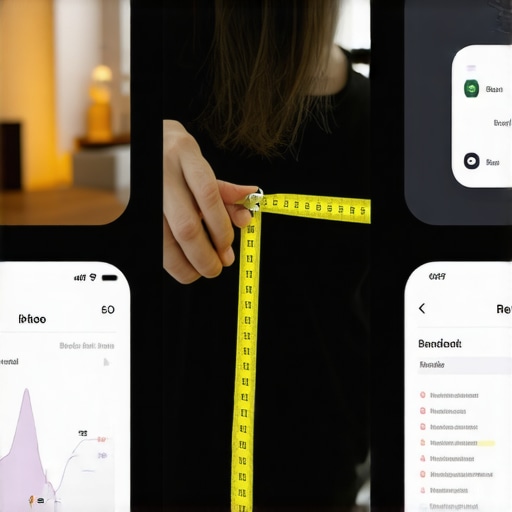
Use Body Measurements
Regularly measure your waist, hips, thighs, and arms. I used a simple tape measure weekly, which helped me see progress even when the scale plateaued. Consistency in measurement technique is key: measure at the same time of day and under similar conditions.
Monitor Clothing Fit
Track how your clothes fit—this is a practical indicator of body changes. I pulled out my favorite jeans, which had been snug, and realized they fit comfortably after a couple of months on Tirzepatide, boosting my motivation.
Track Health Markers
Engage with your healthcare provider to monitor blood pressure, blood sugar, lipid levels, and electrolytes. These metrics often improve with effective weight loss and can reflect your overall health progress. For guidance on what markers to watch, consult resources like this comprehensive NJ guide.
Keep a Progress Journal
Document your weekly experiences, noting changes in cravings, mood, or energy. Writing honestly about setbacks helps identify patterns and reinforces positive habits. During my journey, I realized that my energy dips correlated with certain foods, prompting dietary adjustments that enhanced my results.
Incorporate Photographs
Take progress photos from multiple angles at regular intervals. Visual comparisons can be motivating and reveal subtle changes not evident in measurements alone. I found that my side-by-side photos kept me committed, especially during plateaus.
Seek Support and Validate Results
Join a community or discuss with your healthcare provider to interpret your progress. Knowing you’re not alone, and getting professional input, can clarify whether your methods are effective. If you’re considering physician-supervised options for safe weight loss injections like Tirzepatide, visit this resource.
Many individuals embarking on physician-supervised weight loss journeys believe that medications like Tirzepatide or Mounjaro are magic bullets, but this oversimplification can lead to costly mistakes. A prevalent myth is that these GLP-1 receptor agonists automatically guarantee successful fat loss without comprehensive lifestyle changes or personalized medical guidance. In reality, the effectiveness of medications like Tirzepatide depends heavily on individualized assessments, proper dosing, and ongoing monitoring—elements often overlooked by patients or even some clinics. For example, some clinics prematurely escalate medication doses to maximize weight loss results without considering electrolyte imbalances or potential side effects, which can lead to dehydration or nausea. This rush for rapid outcomes neglects the nuanced approach recommended by obesity medicine experts, such as those found in reputable NJ clinics, who emphasize tailored protocols that balance efficacy with safety.
Why do so many patients and practitioners get the dosing wrong with GLP-1 medications?
It turns out that improper dosing or neglecting adjunct lifestyle counseling can diminish results and increase adverse events. A study published in the New England Journal of Medicine highlights that the combination of medication, dietary modification, and behavioral therapy yields the best outcomes—yet many focus solely on the pharmacological aspect. Additionally, misconceptions persist around weight loss medications being suitable for everyone; in truth, obesity medicine requires careful patient selection, considering comorbidities like diabetes or cardiovascular risk factors. Overlooking such nuances can lead to suboptimal results or even health risks. For those considering Tirzepatide or doctor-prescribed Mounjaro, it’s crucial to work with a qualified specialist who understands these intricacies and adheres to evidence-based protocols. You can explore more about the best strategies tailored for your health in our comprehensive NJ guide on safe injections and personalized care.Achieving and maintaining weight loss with medications like Tirzepatide in NJ requires more than just medical supervision; it demands a strategic approach utilizing effective tools and consistent strategies. Personally, I rely on a combination of technology and personal routines to stay on track over the long term.
Embrace Smart Monitoring Devices
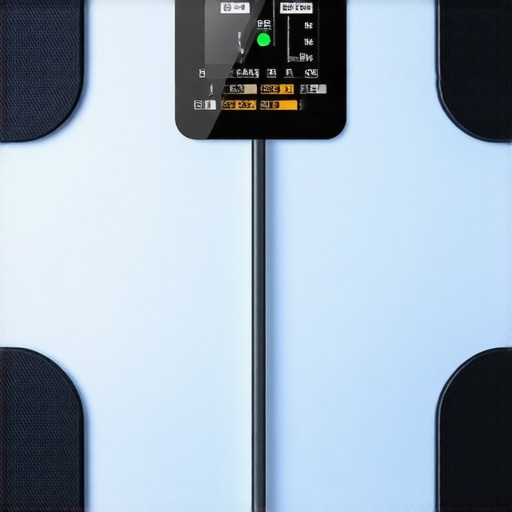
One essential tool I recommend is a high-quality body composition scale, such as the InBody 770. Unlike traditional scales that only measure weight, this device provides detailed data on muscle mass, fat percentage, and water content. I use it weekly to assess how my body responds to Tirzepatide, ensuring I am losing fat and maintaining muscle, which is crucial for metabolic health. Regular tracking helps catch any unwanted loss of lean mass early, allowing for timely diet adjustments.
Leverage Specialized Software for Progress Tracking
To complement my data, I utilize apps like MyFitnessPal combined with Fitbit’s health platform. These allow me to log daily food intake, hydration, activity levels, and even mood. The integration of these tools creates a comprehensive picture of my health trajectory, helping to reinforce good habits and identify patterns that might hinder progress. For those in NJ seeking reliable support, working with a clinician who integrates such technology can be a game-changer, especially when monitoring electrolyte levels or side effects associated with safe weight loss injections like Tirzepatide.
Consistency in Routine
Beyond gadgets, establishing a predictable daily routine enhances long-term outcomes. I set specific times for meals, medication, exercise, and sleep. This consistency stabilizes blood sugar levels and reduces cravings—a crucial aspect when using medications like Tirzepatide that influence appetite. Starting small, like pre-planning meals with high protein content as recommended by NJ obesity specialists, ensures sustained support for weight loss goals.
Prediction for the Future of Tools in Weight Management
Looking ahead, emerging technologies such as AI-driven nutrition coaching and remote biometric monitoring are poised to make personalized weight loss programs even more effective and accessible. These advancements will enable clinicians to adjust treatments like Tirzepatide more precisely, minimizing side effects and optimizing results. As these tools evolve, patients will enjoy higher success rates and greater confidence in their long-term health management.
How do I maintain progress with these tools over time?
The key is consistent use and regular consultation with your healthcare provider. Ongoing communication ensures the data collected leads to actionable insights, whether adjusting medication dosages or refining dietary strategies. If you’re interested in integrating these advanced tools into your weight loss journey, I recommend speaking with a qualified NJ physician who specializes in obesity medicine. They can guide you on selecting appropriate devices and programs—learn more by visiting this resource.
Remember, sustained success isn’t about quick fixes but building a comprehensive system tailored to your unique needs. Start by adopting one of these tools today and move closer to your long-term health goals.
The Lessons That Didn’t Make the Headlines
One eye-opening realization I had was that focusing solely on quick results often leads to frustration and burnout. I learned that patience and consistency, especially with medications like Tirzepatide, build a foundation for sustainable change. Another lesson was understanding that setbacks are part of the journey, not signs of failure—I saw them as opportunities to refine my approach. Most importantly, I discovered that the most meaningful progress happens when I align medical guidance with my daily habits, creating a synergy that money can’t buy. These insights transformed my perspective from chasing fleeting numbers to embracing a comprehensive, lifelong health strategy.
Tools That Transformed My Approach to Weight Loss
For anyone serious about physician-assisted fat loss, I recommend exploring the comprehensive NJ guide to Tirzepatide—it’s a treasure trove of practical insights. The InBody 770 scale became my trusted ally for detailed body composition tracking, revealing fat loss patterns that scales alone can’t show. Incorporating medical-grade blood panels allowed me to monitor my health markers in real-time, ensuring safety alongside results. And when I needed motivation, I turned to community forums—places where real patients share their stories and successes, making the journey feel less solitary. Trust me, blending high-tech tools with professional support made all the difference.
Your Next Step Toward Lasting Change
If you’re committed to transforming your health with the help of safe injections like Tirzepatide, remember: the path is uniquely yours, but you don’t have to walk it alone. Embrace a strategic mindset, leverage the right tools, and seek out expert guidance tailored to your needs. Every step forward is a victory—no matter how small. The future of physician-assisted fat loss is bright, especially when you take proactive steps today. Are you ready to make your health the priority and start building a life of lasting wellness? Share your thoughts below, and let’s support each other’s journeys towards success.